



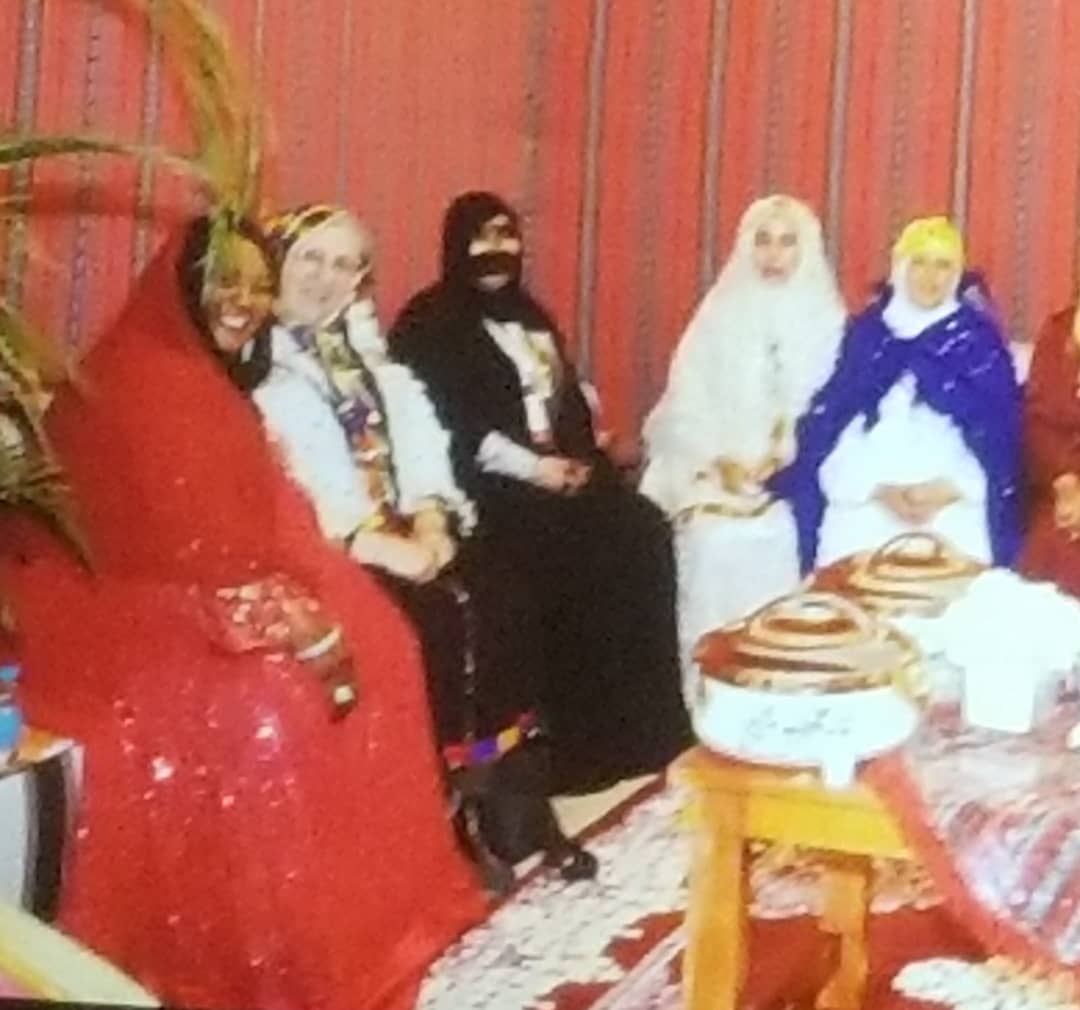
Hospitality as Heritage: Majlis Al-Asala’ Explores Traditions Across Cultures
Sharjah – February 11, 2026
In a traditional majlis where incense drifted gently through the air and Arabic coffee was served in quiet rhythm, conversation turned to one of the most enduring values shared across societies: hospitality.
As part of the 23rd edition of Sharjah Heritage Days, Majlis Al-Asala’ (Authenticity Majlis) hosted an evening dialogue that brought together researchers and heritage enthusiasts from several countries to examine how welcoming the guest remains a defining marker of cultural identity.
Moderated by Aisha Obaid Ghabesh, Director of Events and Exhibitions at the Sharjah Institute for Heritage, the session explored how traditions of receiving guests evolved across environments, economic realities and social structures.
Traditions Shaped by Place and Custom
Ghabesh noted that earlier generations expressed hospitality in ways shaped by their surroundings and available means. Some families welcomed visitors with perfumes and incense; others began the ritual with Arabic coffee, poured and served according to time-honoured etiquette.
In certain societies, reception spaces were divided between men and women, while in others, areas were designated according to the nature of the occasion or the identity of the guest. Despite these variations, participants agreed that the essence of hospitality remains constant: a guest must never feel unattended or unwelcome.
A Tunisian Perspective
One of the session’s most engaging moments highlighted hospitality traditions in Tunisia. It was explained that while men are typically received in the majlis, the lady of the house ensures that a female guest is not left alone—often inviting her into the kitchen to converse while refreshments are being prepared.
The example resonated with attendees, reflecting hospitality not merely as formality, but as companionship and warmth.
Ghabesh observed that Gulf traditions closely resemble one another, with subtle differences between countries. Yet across the region, the core value of honouring the guest remains deeply embedded in cultural consciousness.
A Dialogue with the Spirit of Family
Described by Ghabesh as warm, simple and close to a family gathering, the session encouraged active audience participation. Attendees shared personal memories and reflections, adding depth to the discussion and linking inherited customs to their broader social contexts.
The exchange transformed the conversation from a structured panel into a shared reflection on lived experience—demonstrating how heritage is sustained not only through preservation, but through dialogue.
Passing Identity to the Next Generation
Concluding the session, Ghabesh stressed that hospitality is far more than a social ritual. It is a cultural identity that embodies generosity, belonging and respect—values passed down from one generation to the next.
She underscored the importance of explaining these practices to younger generations to ensure their continuity, reinforcing the wider mission of Sharjah Heritage Days to safeguard living heritage while keeping it relevant in contemporary life.
In Majlis Al-Asala’ that evening, hospitality was not simply discussed. It was affirmed as a shared human language—rooted in memory, shaped by culture and carried forward by community.