



Portugal Pavilion Dazzles at Sharjah Heritage Days with Art, Craft and Culinary Heritage
Sharjah-11.2.2026
At the entrance to the bustling grounds of Sharjah Heritage Days, a striking geometric structure rises like a sculpted jewel. The Portugal Pavilion, Guest of Honour at the festival’s 23rd edition, commands attention even before visitors step inside.
But it is beyond the threshold that the real journey begins.
From intricate ceramic panels to the scent of traditional cuisine, the pavilion unfolds as a layered narrative of Portuguese heritage—one deeply intertwined with Islamic artistic traditions and Mediterranean history.
Azulejo: Where Architecture Tells a Shared Story
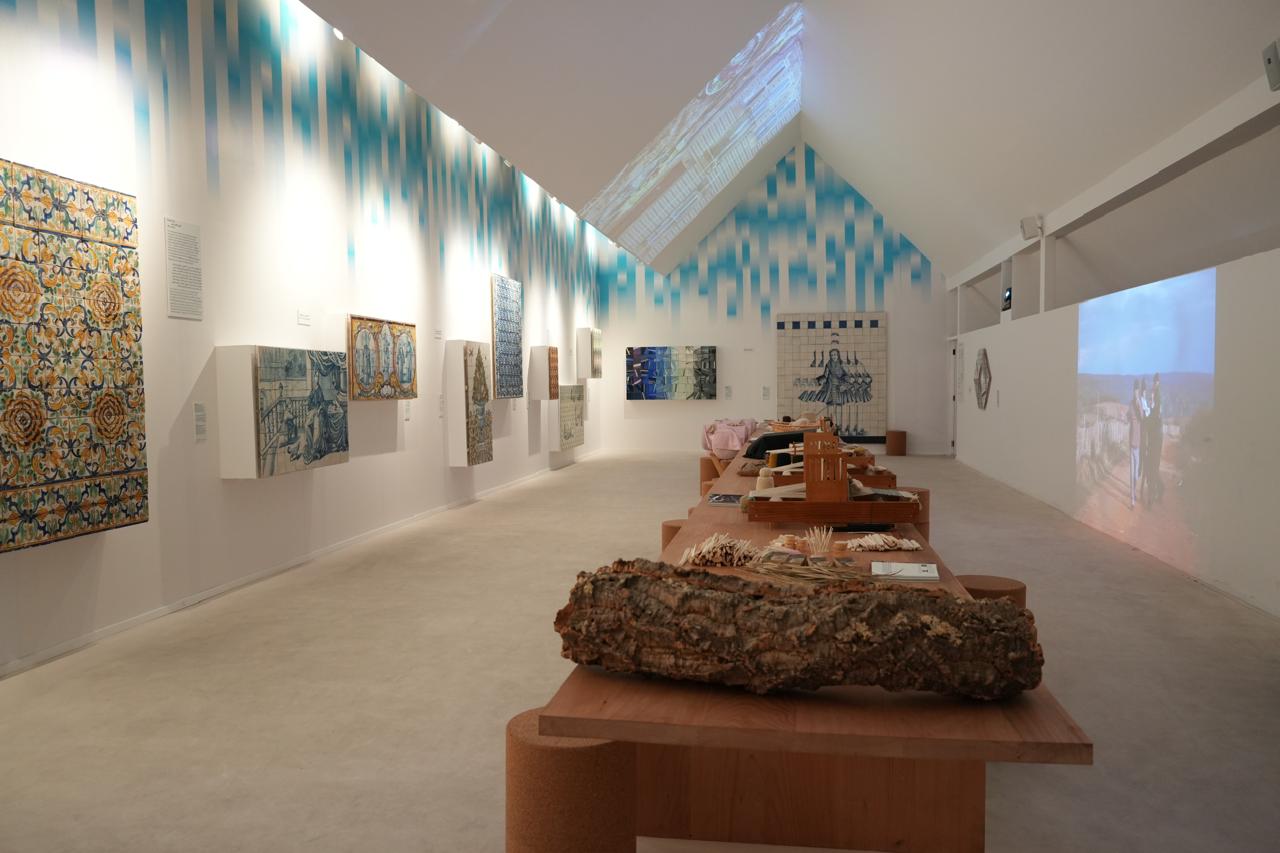
One of the pavilion’s most captivating features is its display of azulejo panels—Portugal’s iconic glazed ceramic tiles. The word itself traces its roots to Arabic, meaning polished stone or tile, revealing a clear thread of shared civilisational influence.
Introduced to the Iberian Peninsula under Islamic rule, the art of azulejo evolved over centuries into one of Portugal’s most distinctive architectural expressions. Today, these tiles adorn façades across Lisbon, grace churches and palaces, brighten schools and restaurants, and even line train and metro stations.
At Sharjah Heritage Days, their presence feels especially symbolic—bridging East and West through geometry, colour and craftsmanship.
A 15-Metre Table of Living Craft
Stretching across 15 metres, a central display table transforms the pavilion into a living workshop. Visitors are invited not only to observe but to engage.
Among the featured crafts:
• Traditional embroidery, crafted with fine silk and linen threads, producing intricate contemporary patterns on tablecloths and cushion covers.
• Natural wool spinning and weaving, using hand looms to create textiles rooted in rural Portuguese life.
• Wood craftsmanship, where artisans shape decorative sticks and handcrafted utensils, including traditional forks.
• Red clay pottery, moulded into functional jars with inventive designs.
The pavilion also highlights raw natural materials deeply embedded in Portugal’s environment—esparto grass, palm, willow, cork and even fish skin—each used in heritage crafts that reflect sustainable traditions shaped by land and sea.
A Taste of the Atlantic
No cultural journey would be complete without flavour. The Portuguese kitchen corner offers live tastings inspired by the country’s Mediterranean setting and maritime legacy. Visitors sample traditional dishes and celebrated sweets, experiencing how history and geography influence cuisine as powerfully as architecture or craft.
A Dialogue Beyond Borders
Portugal’s role as Guest of Honour underscores the deeper purpose of Sharjah Institute for Heritage in curating the festival—not merely to showcase traditions, but to spark dialogue.
The pavilion stands as a reminder that heritage transcends geography. Patterns on ceramic tiles echo across centuries. Craft techniques travel and transform. Culinary traditions carry stories of exploration and exchange.
In Sharjah, Portugal’s presence does more than celebrate national identity. It affirms that heritage is a shared human language—one that connects civilizations, invites reflection and opens new avenues for cultural understanding.