



Heritage Conference Concludes Its Third Edition, Advancing a Renewed Vision for Safeguarding Oral Traditions
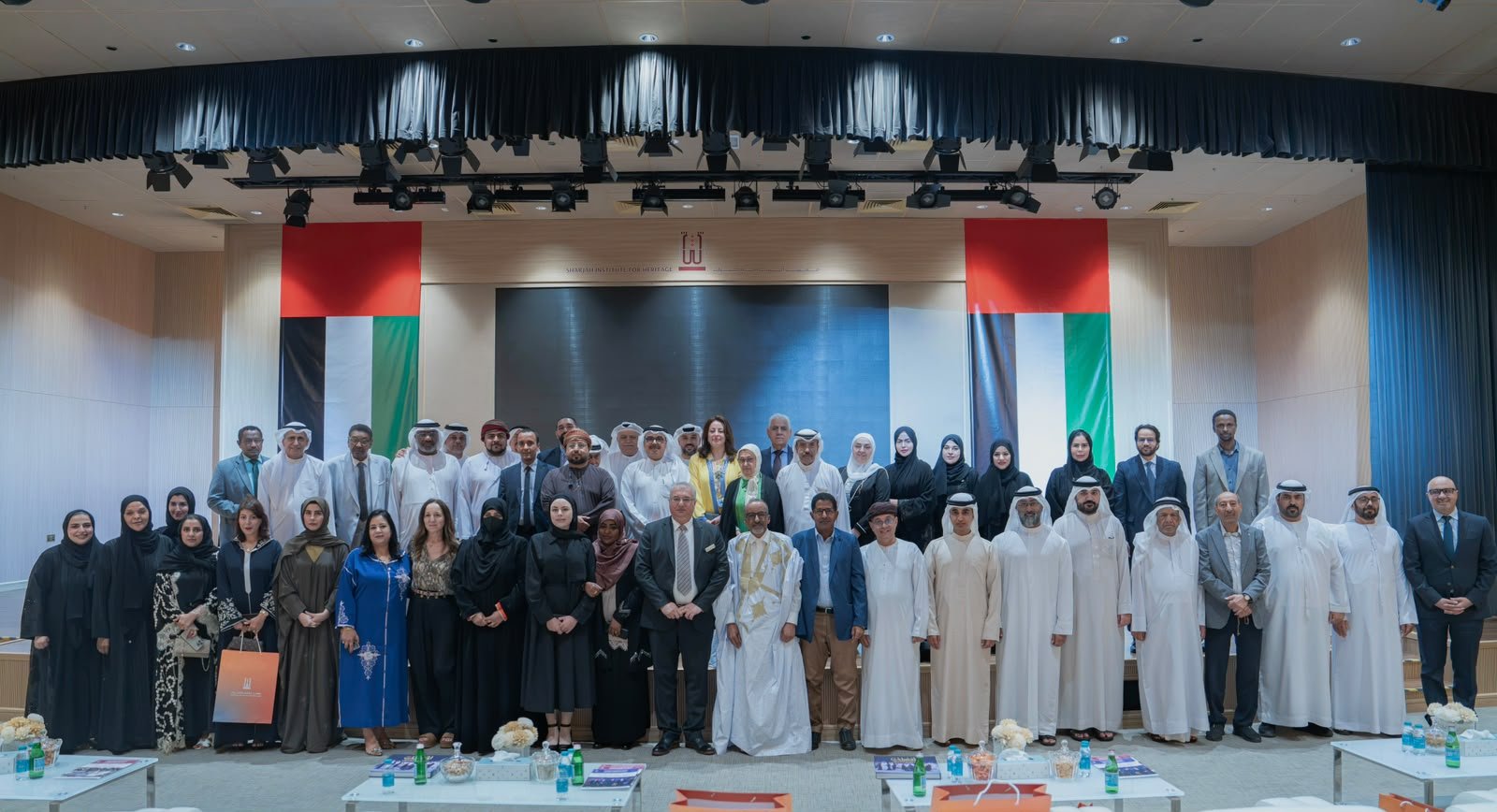
The Sharjah Institute for Heritage concluded on Friday evening the third edition of the Heritage Conference, bringing to a close four days of vibrant academic and intellectual engagement that gathered an elite group of scholars, researchers, academics, and heritage experts from across the Arab world. The conference reaffirmed Sharjah's standing as a beacon of cultural dialogue and a leading Arab platform for envisioning the future of intangible cultural heritage amid the accelerating pace of digital transformation.
Held from 7 to 10 July under the theme "Oral Traditions in a Changing World: From Live Performance to Digital Media," the conference presented an advanced model for harnessing scholarly research in the service of heritage preservation. It successfully bridged rigorous theoretical inquiry with digital innovation, reflecting a cultural vision that recognizes safeguarding heritage not merely as preserving the past, but as renewing the ways in which it is transmitted and ensuring its enduring relevance for future generations.
Far more than an academic forum for presenting research papers, the conference served as a dynamic intellectual space for shaping future perspectives on oral traditions and strengthening collaboration among cultural institutions, universities, and research centers, thereby reinforcing heritage as a cornerstone of national identity and a living repository of collective memory.
Scientific Dialogue Looking Toward the Future
Throughout its scientific sessions, the conference explored a wide range of conceptual and methodological issues related to oral traditions, beginning with the foundations of their cultural significance and social functions, examining the challenges of safeguarding them in the digital era, and concluding with discussions on the application of artificial intelligence and emerging technologies in their collection, documentation, archiving, and analysis. Participants also presented distinguished Arab experiences that enriched the dialogue and showcased practical models for safeguarding intangible cultural heritage.
The scholarly discussions reflected a high level of academic excellence and interdisciplinary expertise. The active exchange among researchers and specialists fostered meaningful knowledge-sharing and opened new avenues for developing more effective policies and practices for preserving oral heritage.
Knowledge as a Pillar of Heritage Safeguarding
Further reinforcing its academic mission, the conference witnessed the signing and launch of 35 new publications in the fields of heritage, folklore, and specialized cultural studies. This milestone reflects the vibrant research movement led by the Sharjah Institute for Heritage and its ongoing contribution to enriching the Arab library, promoting specialized scholarship, and strengthening a culture of authorship and documentation as essential pillars of heritage preservation and sustainability.
Dr. Abdul-Aziz Al Musallam: Sharjah Is Shaping a Renewed Arab Vision for Heritage Safeguarding
His Excellency Dr. Abdul-Aziz Al Musallam, Chairman of the Sharjah Institute for Heritage and President of the Conference, affirmed that the third edition had fully achieved its academic and intellectual objectives, further establishing the conference as a distinguished Arab platform dedicated to dialogue on issues relating to intangible cultural heritage.
He noted that the high-quality research papers, profound scholarly discussions, and diversity of participating expertise reflected the maturity and growing stature of this scientific initiative since its inception.
Dr. Al Musallam emphasized that the conference recommendations represent the outcome of a collective scholarly effort and provide a solid foundation for developing innovative programmes and projects that will strengthen research, documentation, and safeguarding initiatives. He stressed that oral traditions are not merely archival materials but living expressions of the values and identities of societies. Their safeguarding, he said, requires preserving their authentic contexts, empowering the communities that sustain them, and employing digital technologies and artificial intelligence as enabling tools that help transmit this invaluable human legacy to future generations.
He further affirmed that the Sharjah Institute for Heritage will continue developing future editions of the conference in line with global developments in the heritage sector, further strengthening Sharjah's position as a leading Arab center for heritage research, knowledge production, and scholarly excellence.
Recognition of the Conference's Cultural Mission
Dr. Rashid bin Ahmed Al Mazrouei, the Conference Personality, expressed his deep appreciation for the recognition bestowed upon him, describing it as a renewed responsibility to continue serving and safeguarding the nation's heritage for future generations.
He praised the conference's rich scholarly content and the depth of its discussions, noting that the event embodies the Sharjah Institute for Heritage's mission of transforming cultural heritage into a continuously evolving knowledge project that reinforces identity, preserves collective memory, and builds meaningful connections between the past and the future.
Recommendations Chart a New Course
In the closing statement, Mohammed Saeed Al Balushi, researcher and scholar from Qatar, presented the conference's principal recommendations, explaining that they provide a practical framework for cultural, academic, and research institutions and constitute scientific outcomes capable of being translated into concrete programmes and initiatives.
The recommendations highlighted the importance of developing digital platforms, expanding field documentation programmes, and utilizing artificial intelligence applications in the collection, archiving, and analysis of oral heritage while preserving its authenticity and cultural integrity. They also called for stronger support for scientific research, enhanced partnerships between cultural institutions and universities, greater integration of oral heritage into educational curricula, increased youth engagement in safeguarding and transmitting heritage, and broader Arab and international cooperation in the field of intangible cultural heritage.
A Closing Ceremony Reflecting the Spirit of Heritage
The closing ceremony featured the honoring of scholars, researchers, keynote speakers, and participants in recognition of their valuable academic contributions, which enriched the conference and contributed significantly to its success.
The event concluded with a captivating heritage performance by the Sharjah National Folklore Ensemble, showcasing vibrant forms of traditional Emirati folk arts in a celebration of authenticity that reaffirmed oral traditions as living cultural practices rather than merely subjects of documentation. The performance illustrated how collective memory preserves and transmits these traditions as one of the most profound expressions of national identity.
Adding to the occasion, Mariam Al Shaloubi presented a series of musical performances that beautifully reflected the harmonious dialogue between heritage and modernity.
The remarkable success of the third edition of the Heritage Conference represents a continuation of Sharjah's long-standing cultural and civilizational vision, which places culture and heritage at the heart of sustainable human development. It further consolidates the Emirate's international standing as a global center for heritage safeguarding, knowledge production, and intercultural dialogue.