


Sharjah Heritage Concludes World Tea Day Celebrations with a Cultural Program Bringing Together the Heritage of Nations
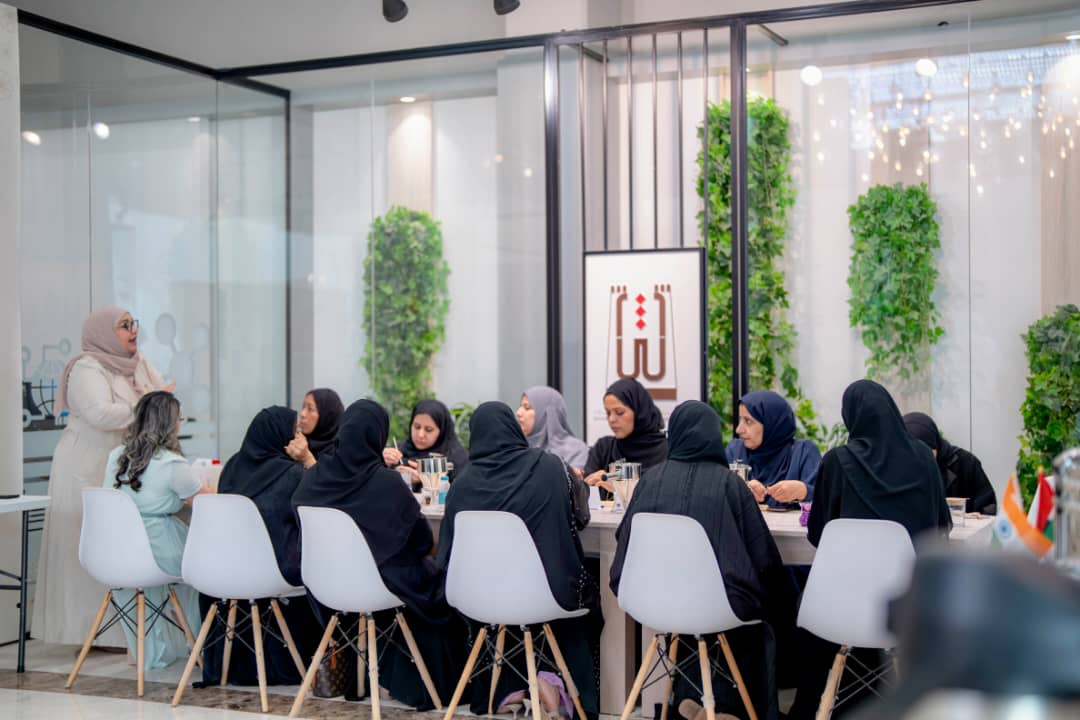
The Sharjah Institute for Heritage concluded its celebration of World Tea Day through the program “Tea: A Heritage That Brings the World Together,” held over four days as part of the Global Cultural Heritage Weeks in Sharjah. The event delivered an integrated cultural and heritage experience highlighting tea’s presence in the memory of nations and their social customs, amid distinguished international participation and strong public engagement that reflected the significance of this shared human heritage as a symbol of communication and cultural exchange. The program, held from May 18 to 21 at the institute’s headquarters, featured a rich variety of cultural and heritage activities, including panel discussions, educational workshops, specialized exhibitions, artistic performances, and multiple international contributions that highlighted tea as a cultural element transcending borders and geography.
International Participation Enriches the Cultural Scene
Ms. Aisha Ghabash, Director of the Events and Activities Department at the institute, affirmed that the “Tea: A Heritage That Brings the World Together” program witnessed remarkable attendance and participation from several countries, including Bahrain, China, India, and Morocco, alongside other contributions that enriched the discussion sessions and accompanying activities.
She explained that the program included a dedicated exhibition showcasing tea traditions and customs across different cultures worldwide, allowing visitors the opportunity to explore the diversity of rituals surrounding tea preparation and serving, and how it has become an integral part of social and cultural identity in many societies.
Dialogue Sessions and Heritage Workshops
The main discussion session, titled “Tea: A Heritage That Brings the World Together,” stood out as one of the program’s highlights, featuring researchers and heritage enthusiasts from Bahrain, Iraq, China, and the UAE. The discussion explored the cultural and social dimensions of tea and its role in collective memory and traditional gatherings as a space for dialogue and human connection.
The event also included heritage and educational workshops held throughout the four-day program, aimed at introducing participants to the history of tea, preparation methods, and traditions in different societies. Artistic and cultural performances by several Arab communities residing in the UAE added a vibrant celebratory atmosphere to the event.
Strong Public Turnout and Broad Engagement
Aisha Ghabash noted that the activities attracted large audiences and wide engagement from visitors and heritage enthusiasts, drawing significant numbers of guests throughout the program—an indicator of growing interest in events celebrating human cultural heritage and promoting dialogue among nations.
She emphasized that these activities reflect the institute’s commitment to delivering high-quality cultural programs that highlight elements of shared global heritage and reinforce Sharjah’s position as a platform for cultural dialogue and knowledge exchange among communities through events that balance authenticity with openness to the experiences of different peoples.