


When Egypt’s Folk Rhythms Met Sharjah’s Living Heritage
Sharjah-10/2/2026
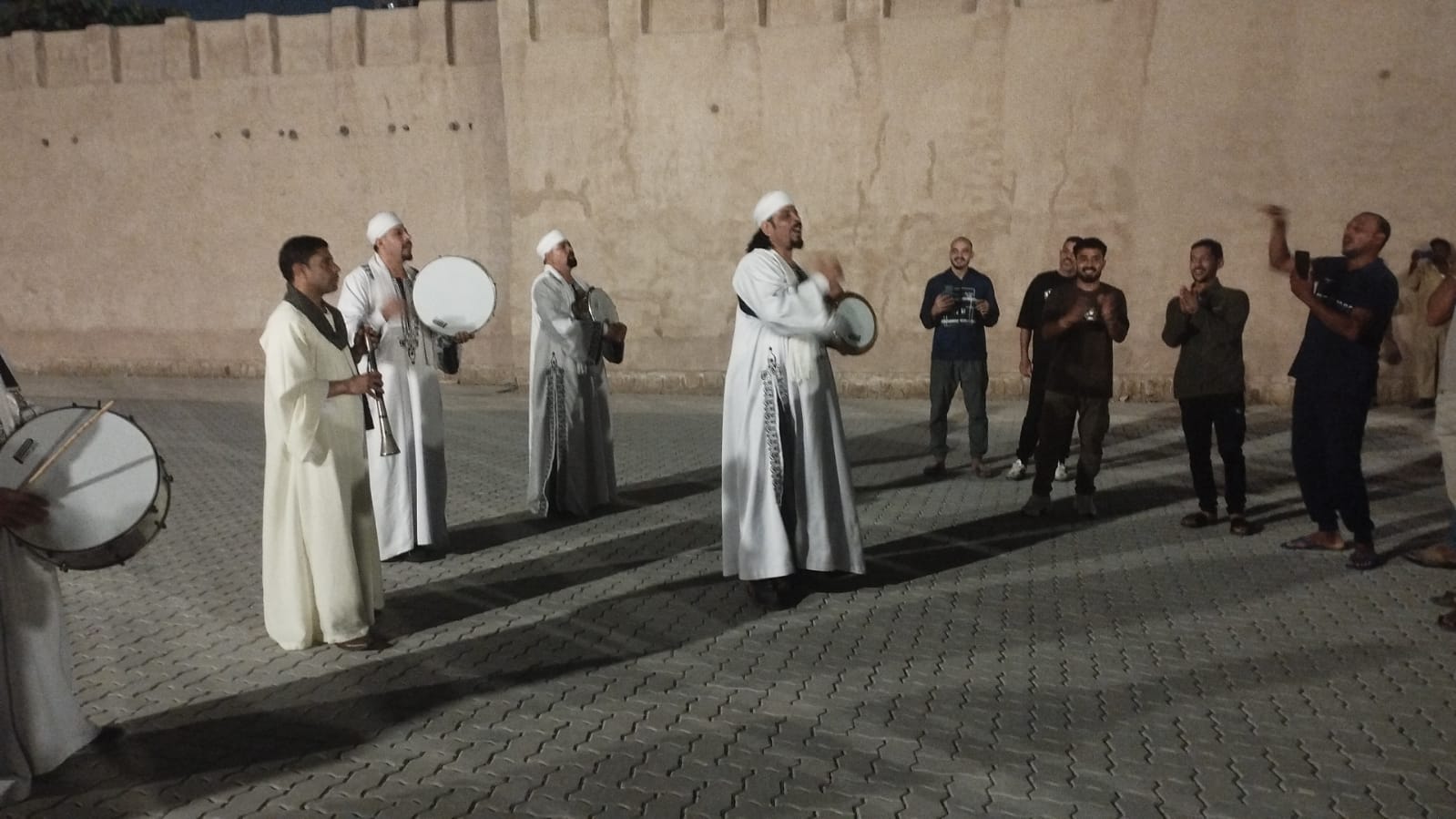
The beat came first—sharp, familiar, impossible to ignore. Then the voices followed, rising above the crowd as the Egyptian Folk Arts Troupe took over the square at Sharjah Heritage Days, drawing visitors closer with every step, clap and refrain. What unfolded was more than a performance; it was a shared moment of memory, movement and cultural connection.
From the opening notes of the popular folk song Ya Bat Gamalak Habashni, the audience gathered instinctively, forming a living circle around the dancers. The troupe moved effortlessly between song and spectacle, presenting a lively selection of Egyptian folk pieces traditionally associated with joy-filled occasions—weddings, celebrations and communal gatherings that have shaped popular culture across generations.
The energy quickly spilled beyond the stage. Young spectators joined the dancers, matching their steps and responding to the rhythms with spontaneous applause and chants. Soon, voices from the crowd rose in unison, singing along as if the songs were part of their own cultural memory. The scene captured the enduring appeal of Egyptian folk music across the Arab world—music that travels easily, crossing borders without translation.
In one of the most striking moments of the evening, visitors from Indian and Portuguese communities stepped forward to dance alongside the troupe, transforming the performance into a spontaneous celebration of cultural exchange. The blending of movements and laughter created a vivid picture of Sharjah Heritage Days as a meeting place for cultures, where traditions are not only displayed but shared.
The wedding segment brought a shift in mood—from exuberant rhythm to collective joy. Songs such as Maita Ashoufak Ya Areesna and Idlaa’ Ya Arees filled the air, echoing the sounds of Egyptian wedding nights. Another traditional melody, Taghanni Le Min Ya Hamam, added a nostalgic note, reminding listeners of the emotional depth woven into folk traditions.
Through music and dance, the Egyptian troupe demonstrated how popular arts remain one of the most powerful carriers of heritage—capable of uniting generations, inviting participation, and turning spectators into partners in celebration. Within the broader programme of Sharjah Heritage Days, the performance stood as a vivid reminder that heritage is not static. It lives, moves and sings—especially when cultures meet in joy.