

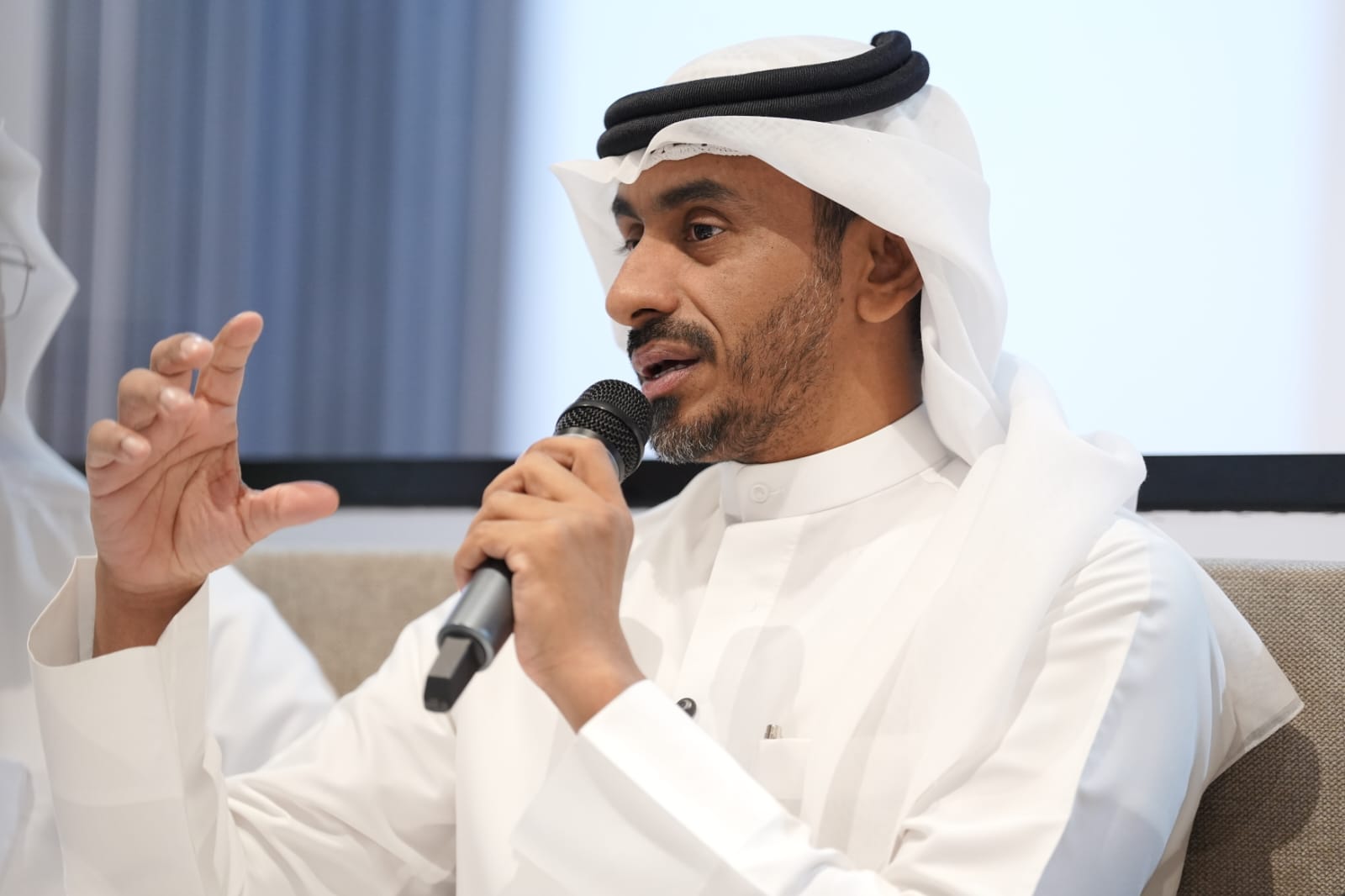
“Documenting Heritage”: A Dialogue Session Exploring the Future of Cultural Memory at Sharjah International Book Fair
 Sharjah Institute for Heritage
H.E. Abu Bakr Mohammed Al Kindi, Director of Sharjah Institute for Heritage, participated in a dialogue session entitled “Documenting Heritage: The Present’s Responsibility Towards the Future”, organised by the Ministry of Culture as part of the 45th edition of the Sharjah International Book Fair. The session also featured writer and researcher Ali Al Mughanni and was moderated by writer Isra Al Mulla.
The session highlighted the importance of documenting cultural heritage, safeguarding national memory, and strengthening efforts to transmit heritage knowledge and experiences to future generations.
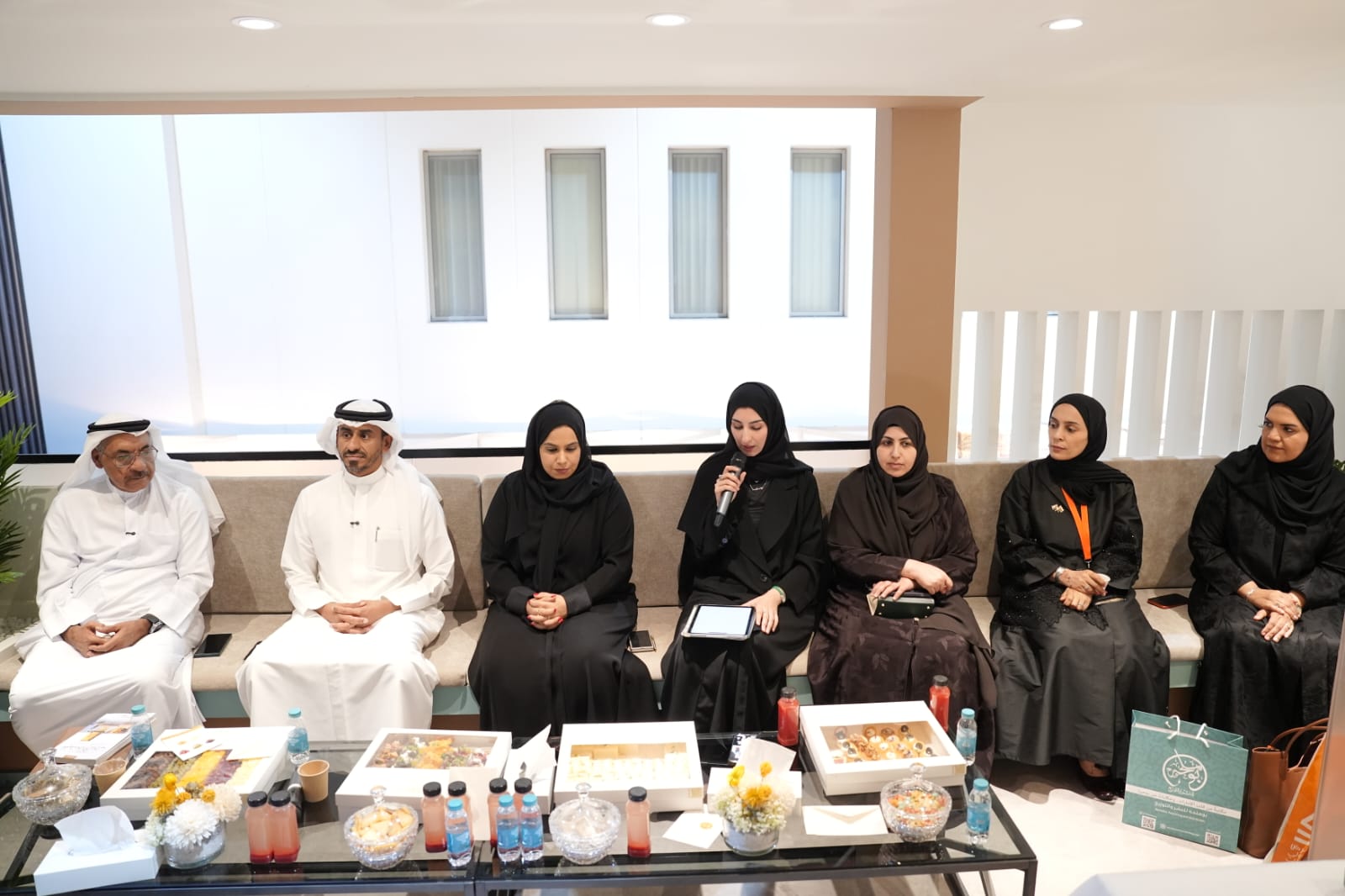
Documentation: A Cultural Responsibility
H.E. Abu Bakr Mohammed Al Kindi, Director of Sharjah Institute for Heritage, affirmed that documenting heritage represents a cultural and national responsibility that requires concerted efforts by institutions, researchers and those interested in heritage affairs. He noted that heritage, with its wealth of values, knowledge and human experiences, constitutes an integral part of national identity and collective memory.
Al Kindi said: “Documenting and recording heritage is an investment in the memory and future of generations. Every story we record and every heritage practice we document represents a valuable addition to our cultural and intellectual wealth, helping keep our heritage alive in the collective consciousness of society. This underscores the importance of institutional efforts and scientific research in collecting, preserving and making heritage accessible to future generations.”
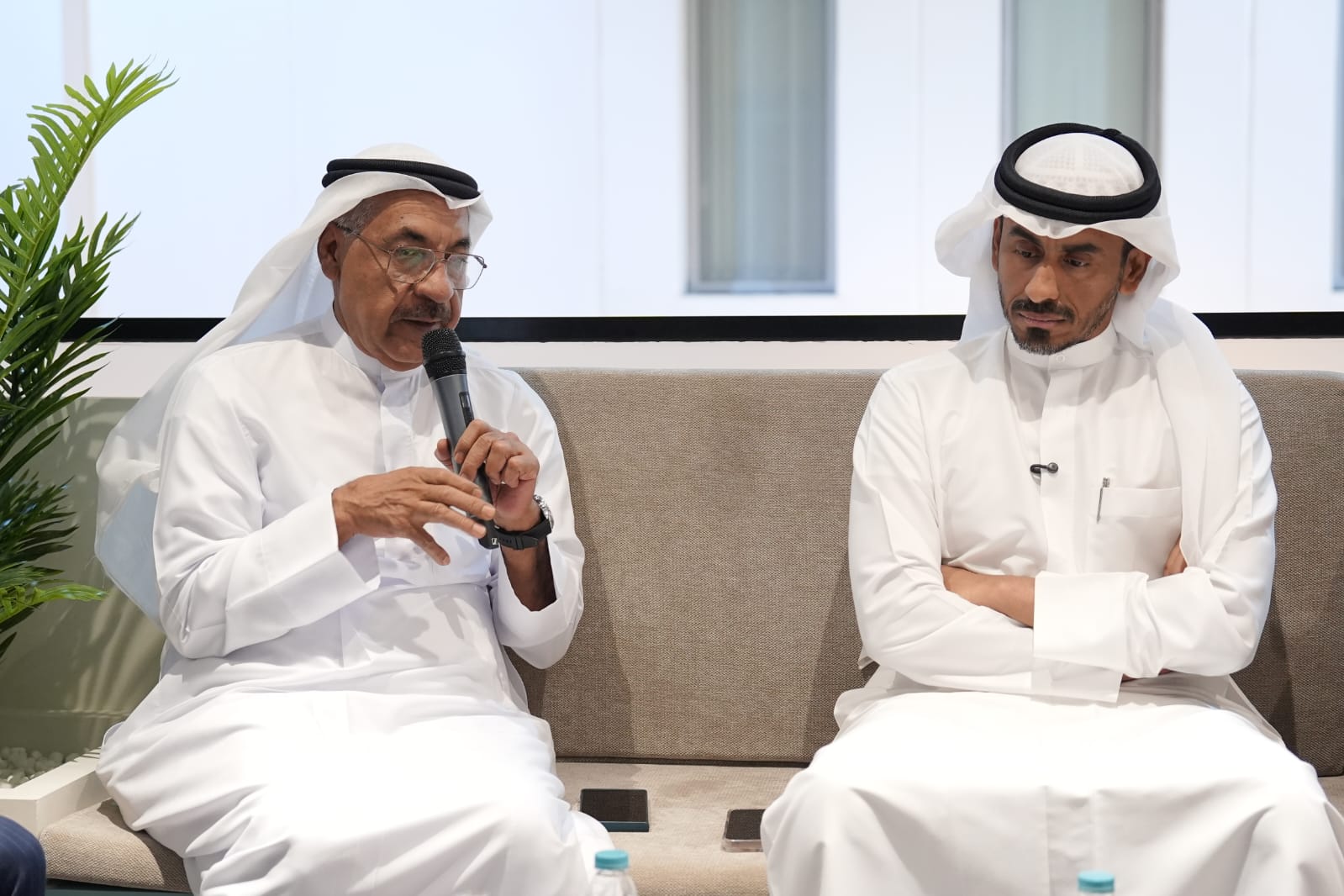
Oral Memory and Documentation
For his part, writer and researcher Ali Al Mughanni discussed the importance of documentation in preserving oral narratives, folk tales and human experiences passed down through generations. He also highlighted its role in protecting details associated with social life, customs and traditions from fading into oblivion.
Al Mughanni said: “Collective memory is rich with stories, experiences and knowledge that deserve to be collected and documented. Documentation gives these narratives a lasting presence that transcends time, preserving the details of the lives experienced by our fathers and forefathers, so they may remain a valuable source of knowledge and culture for younger generations and future researchers.”
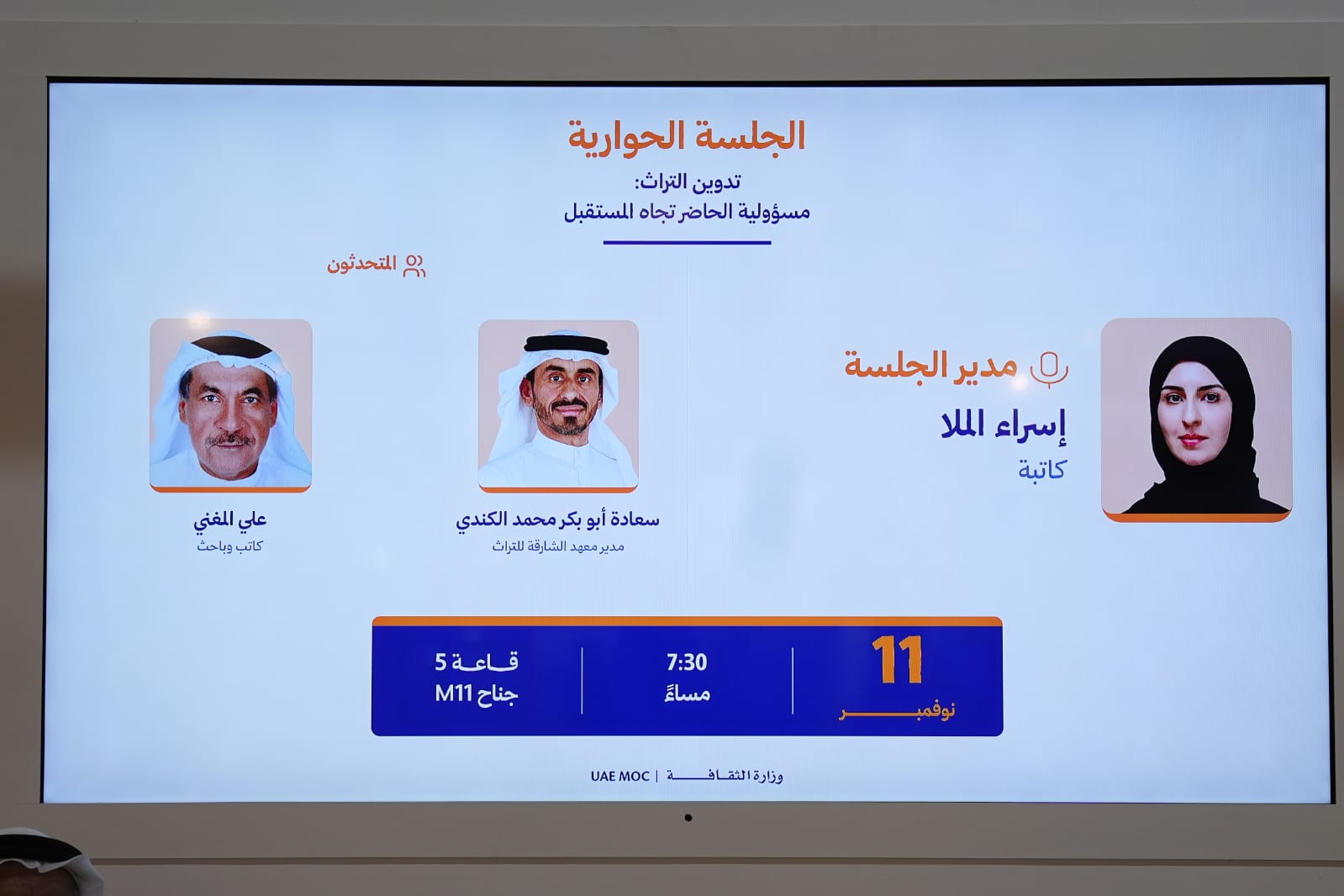
The session concluded by emphasising the importance of promoting a culture of documentation and recording, while making use of modern digital technologies to preserve and provide access to cultural heritage. These efforts contribute to the sustainability of national heritage and strengthen its presence in the cultural and intellectual landscape
More from the Media Center
News
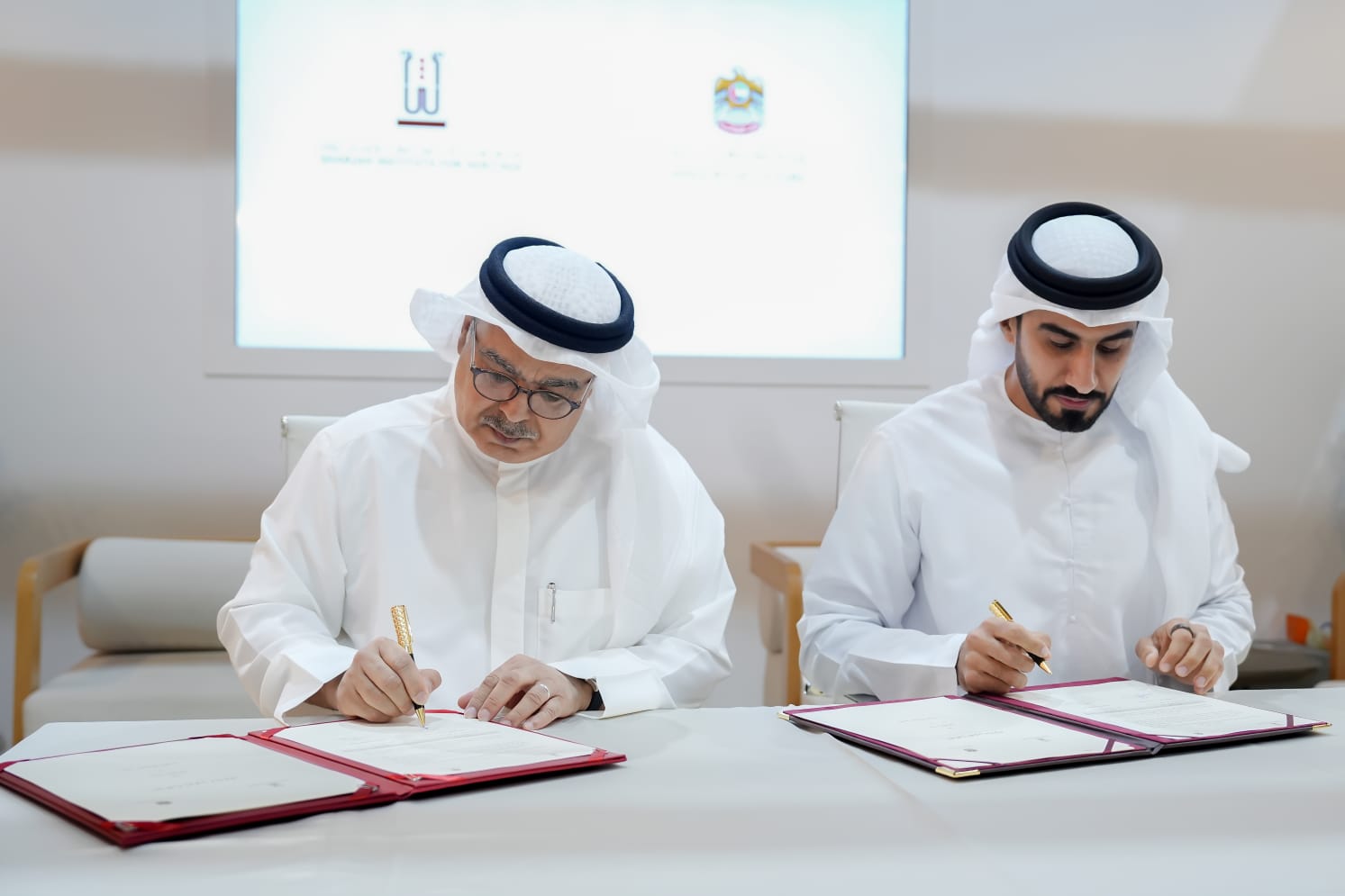
Ministry of Culture and Sharjah Institute for Heritage Sign Cooperation Agreement
Nov 11, 2026
News
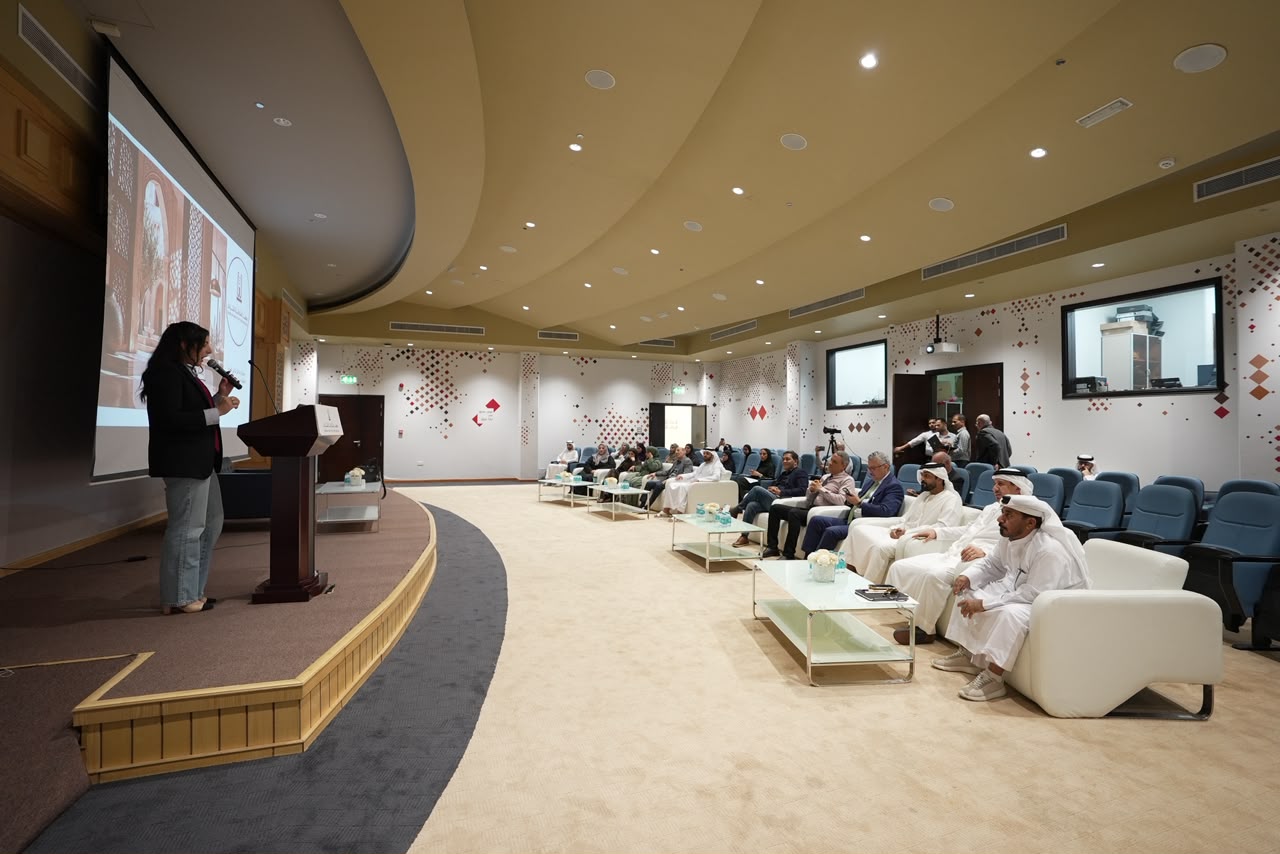
Sharjah Institute for Heritage Explores the Inspiration of Cultural Heritage in Contemporary Interior Architecture Design
Nov 10, 2026
News
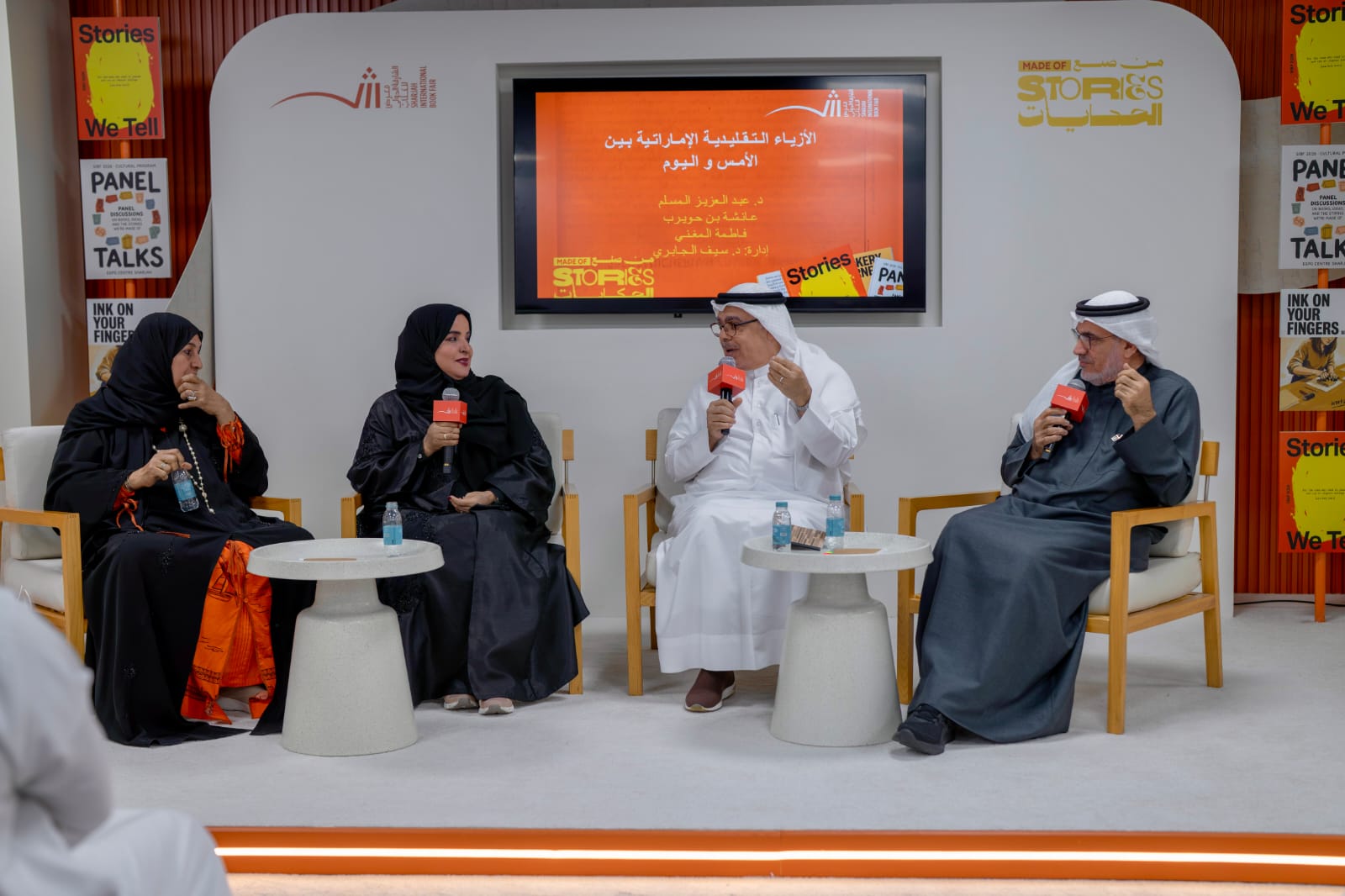
Sharjah Institute for Heritage Continues Its Cultural Presence at Sharjah International Book Fair with Dialogue Sessions and Distinctive Publications
Nov 9, 2026
Strategic Contribution
The Media Center strengthens communication, transparency and cultural outreach across audiences.